July 17, 2026
Building a custom home is a significant investment, both financially and emotionally. Hiring the right builder is crucial to ensuring your vision is brought to life. This article outlines essential questions to ask prospective custom home builders before embarking on your dream home project.
Understanding the Builder’s Experience and Expertise
When selecting custom home builders, understanding their experience is fundamental. The number of years a builder has been in business is a direct indicator of their expertise and stability in the industry. You should aim to work with builders who have not only years of business experience but also specific experience in constructing custom homes. By focusing on builders with a strong custom home background, you are more likely to align with a company that understands the unique nuances and challenges that custom construction involves. This expertise can make a significant difference in ensuring your project is executed smoothly and meets your high expectations.
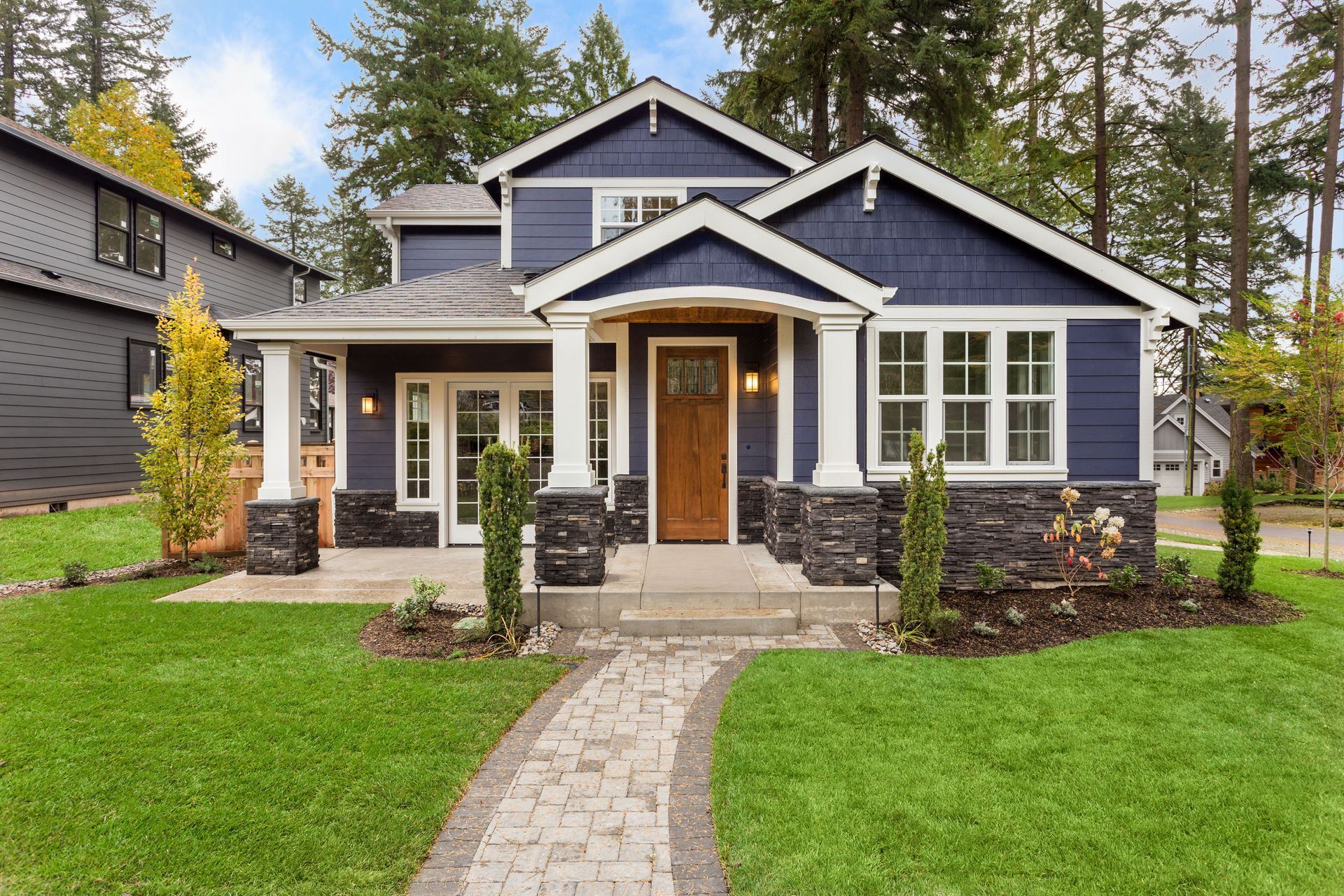
Another important aspect to investigate is the builder’s portfolio of past projects. Reviewing completed homes can provide valuable insight into the builder's design capabilities and craftsmanship quality. It also helps you determine if their style aligns with your architectural vision. A custom home builder's portfolio can reveal their versatility or specialization in creating specific home styles, which might be crucial if you have a unique vision or architectural preference. Portfolios serve as a visual testament to the builder’s ability to deliver high-quality and aesthetically pleasing custom homes.
Specialization in constructing certain home styles can distinguish an exceptional builder from an ordinary one. Custom homes can vary in style from modern and contemporary to traditional and colonial. Ensuring that the custom home builders are well-versed in the style you prefer is critical to capturing and executing your vision. Furthermore, industry accolades and awards can speak volumes about a builder’s reputation and commitment to quality. According to Custom Builder, around 18% of total single-family home starts are custom builds, highlighting the niche yet significant market share of custom home construction.
Evaluating the Builder’s Process and Communication
Understanding a builder’s project timeline is essential to setting realistic expectations for your custom home. A thorough discussion about the typical timeline and scheduling methods can prevent misunderstandings and delays. Knowing how custom home builders manage deadlines helps ensure that your project progresses efficiently. Additionally, discussing project timelines allows you to plan better for other aspects, like temporary living arrangements. Timely completion is often a reflection of the builder’s organizational skills and commitment to customer satisfaction.
Effective communication practices are pivotal to fostering a successful builder-client relationship. Ensure that the builder has a robust system for providing regular updates and addressing client queries or concerns promptly. Transparent and open communication minimizes misunderstandings and keeps the client informed throughout the building process. Good communication also includes the builder’s receptiveness to discuss ideas and provide professional advice. Trust is built when clients feel their input is valued and incorporated into the ongoing project.
Discussing the builder's involvement during the design phase is crucial if you desire an integrative approach to your custom home. Determine the level of interaction between the builder and your chosen architects or designers. Custom home builders who work closely with design professionals can ensure that construction adheres to the design plans seamlessly, reducing potential conflicts. Moreover, inquire about the processes in place for handling updates or changes to the project. Addressing how changes are managed during construction can prevent potential disruptions and help maintain an accurate budget.
Exploring Financial Aspects and Budget Management
A transparent pricing structure is fundamental when managing the financial aspects of building a custom home. The builder should be able to provide a detailed breakdown of costs for labor, materials, and any additional expenses. Clear pricing transparency helps you understand where your money is allocated and allows better financial planning. It is vital to ask whether the price includes potential contingencies for unforeseen challenges. Transparency in pricing fosters trust and ensures that there are no hidden fees later in the construction process.
Another important financial consideration is understanding the payment schedule for your custom home build. You should discuss the initial deposit required, as well as subsequent payment installments throughout the project's timeline. A well-structured payment schedule aligns with project milestones and guarantees that payments are made as work is completed. It is crucial to ensure that the payment terms are fair to both parties and safeguard your financial interests. Understanding the payment schedule helps you manage your finances better without impacting the construction flow.
Since budget overruns are a common concern in custom home builds, it is essential to discuss how the builder handles such situations. Custom home builders should have clear measures and contingencies in place for managing budget overruns due to unexpected circumstances. It can be beneficial to explore potential financing options they might offer or partnerships with financial institutions. Discuss the costs associated with custom features and how these impact the overall budget. A proactive approach to budgeting can help protect your investment, ensuring that your custom home project remains economically viable.
Assessing Quality Assurance and Warranty Policies
Quality assurance protocols are a critical component of any construction project. It is necessary to explore the builder’s commitment to maintaining high-quality standards throughout the construction. These protocols typically include regular inspections and adherence to industry standards. Thorough quality checks ensure that the final deliverable meets, if not exceeds, your expectations. In a market where around 18% of single-family home starts are custom builds, maintaining quality assurance is an important differentiator for custom home builders.
The types of construction materials employed have a definitive impact on the longevity and durability of your custom home. Discuss with the builder their commitment to sourcing and using high-quality, durable materials. A commitment to sustainability and energy efficiency in their material choices can also be addressed if these are priorities for you. Furthermore, exploring warranties provided on construction and materials offers peace of mind concerning future repairs or issues. A comprehensive warranty from the builder reflects their confidence in their craftsmanship and material selection.
Post-construction support services offered by the builder can enhance your overall home-building experience. Some builders offer repair services, routine maintenance, or follow-up inspections post-occupancy. Inquiring about these services can help you understand the builder's commitment to client satisfaction beyond project completion. A builder who stands by their work and supports clients in the long term is often a trustworthy choice. Understanding the scope and duration of support services further solidifies your peace of mind regarding future home-related needs.
Investigating Builder’s Relationships With Subcontractors
The selection criteria for subcontractors can directly reflect a builder’s values and quality standards. You should seek to understand how subcontractors are vetted for experience and reliability. The subcontractor’s expertise in specific trades contributes to the overall quality of your custom home. Ensuring that the builder prioritizes dependable and skilled subcontractors mitigates risks during the construction phase. Strong subcontractor relationships often lead to improved project efficiency and quality outcomes.
Another significant factor is how the builder coordinates and manages subcontractors on-site. Effective coordination ensures that different trades work harmoniously and the project advances smoothly without interruptions. Inquire about communication protocols and how the builder ensures subcontractor accountability. Efficient management of subcontractors can significantly reduce delays and ensure timeline adherence. Ultimately, understanding these coordination practices helps set expectations and ensures the builder’s professionalism.
Quality control of subcontracted work is vital since subcontractors execute different aspects of your custom home's construction. Discuss with the builder their process for monitoring and ensuring that subcontractors meet designated quality standards. This includes assessing how often quality checks and inspections are conducted during construction. A builder committed to high-quality outcomes will have stringent processes in place to validate work done by subcontractors. Additionally, verifying that all subcontractors have valid insurance coverage is crucial to mitigating potential risks on the construction site.
Choosing the right custom home builders is crucial for a successful home-building experience. By asking detailed, insightful questions, you can ensure that you partner with a builder who is not only skilled but also aligns with your vision, budget, and expectations. Do you need a home builder? Call Great Island Woodwork Construction Inc today!